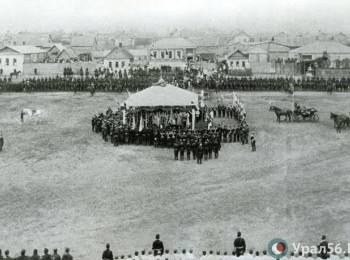
In the first half of the 19th century a specific practice developed in the Orenburg borderland. According to it, foreign slaves (we use this term to designate slaves who weren’t Russian Empire’s subjects) were to be granted freedom as well as a choice whether to return home or convert to Orthodoxy and become Russian subjects. However, in the materials of the Joint State Archive of Orenburg Region we have found several deviations from this practice.
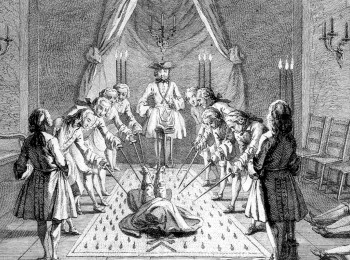
The manuscript is devoted to the study of the structure of Masonic organizations in the Russian Empire in the XVIII century. The material of the work includes memoir sources, published documents (interrogation materials), as well as pre-revolutionary, foreign and modern historiography. The research is based on such methods of historical research as historical-systematic, classification, synthesis and content analysis. In conclusion, the authors note that the structure of Russian Freemasonry of the XVIII century included three types of Masonic lodges: — The «English» system of Masonic lodges.
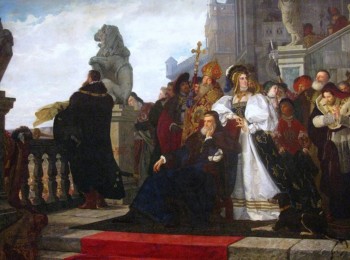
Ottoman-Jagiellonian diplomacy
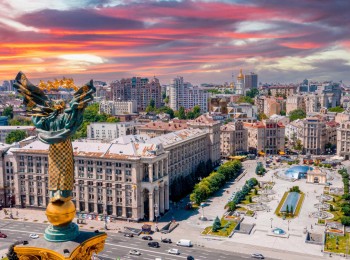
Practices of Using Urban Public Space
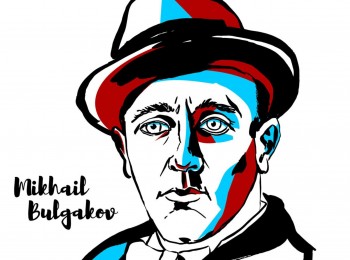
Bulgakov Case
Integration to the European Union in the Field of Archives
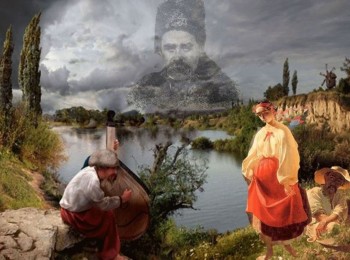
Taras Shevchenko in Ukrainian Soviet Film Documentary
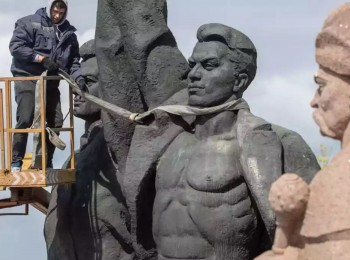
Decommunisation in Ukraine
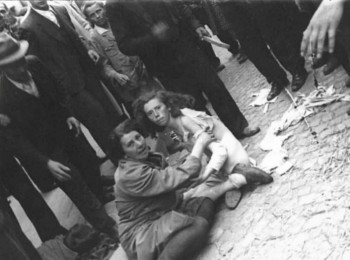
Jewish Pogrom in Berdychiv
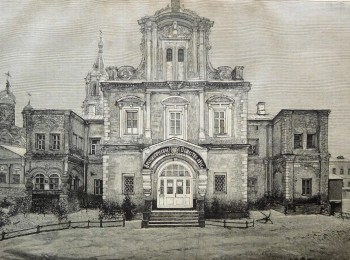
Imperial Moscow Archaeological Society
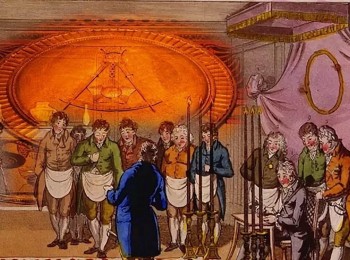
Russian Freemasonry
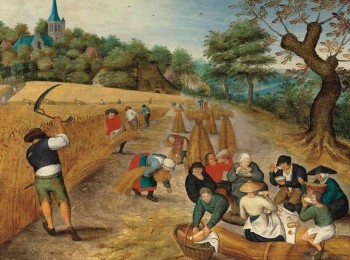

Maritime Educational Institutions in Kherson Gubernia
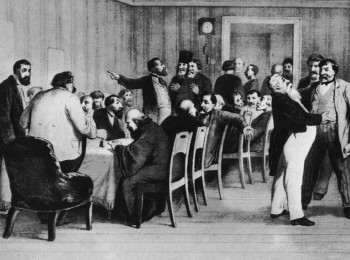
Zemstvo Liberal Opposition in the Chernihiv Governorate
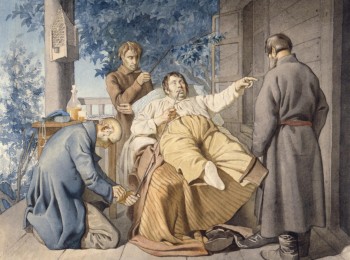
Reform on the Abolition of Serfdom
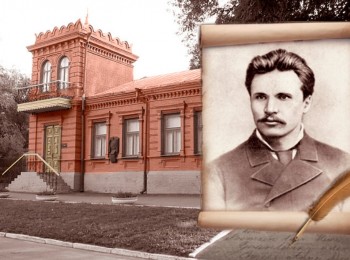
D.I. Yavornitsky as an Archaeologist
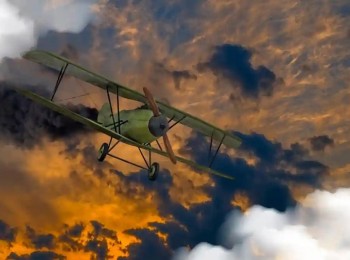
Russian aviation industry
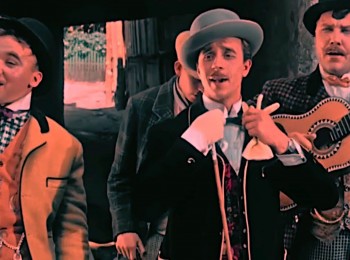
Soviet cinematography in the territory of the USSR
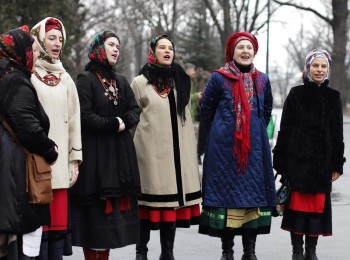
Lyrical Songs of Sloboda Ukraine
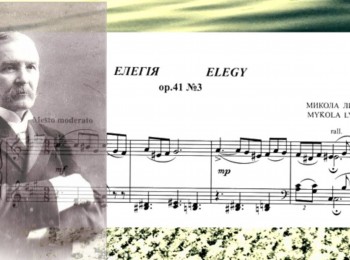
Composer Mykola Lysenko
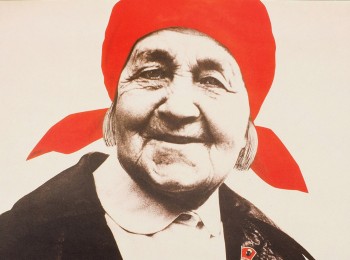
Under-Soviet Ukraine During Perestroika
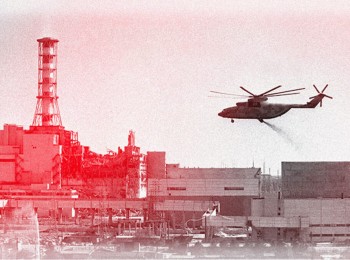
Chernobyl Nuclear Power Plant
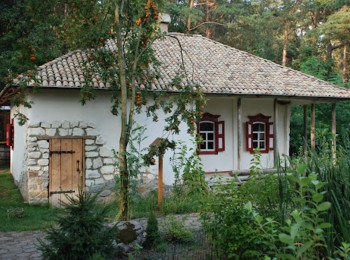

Ukrainian Scientific Centre in Prague

Chernihiv Beast and Chernihiv Bird

Graphite of Sophia of Kyiv

Kosh Otaman Petro Kalnyshevskiy

Polish-Moldavian borderland in the XVII century

Uprising of the czech nobility against king Vaclav I

General description of 1765—1769