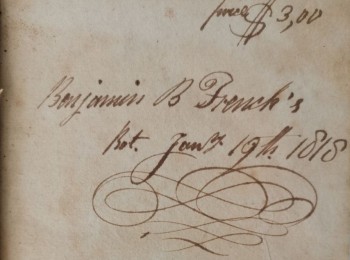
The article is devoted to an analysis of the life and multifaceted activity of Benjamin Brown French (1800—1870) — an American politician, civil servant, Clerk of the United States House of Representatives, and one of the most influential figures of nineteenth-century American Freemasonry. Particular attention is paid to his role in the history of the American Order of Knights Templar, in which he held the highest office of Grand Master of the Grand Encampment of Knights Templar of the United States during the difficult period of the American Civil War.
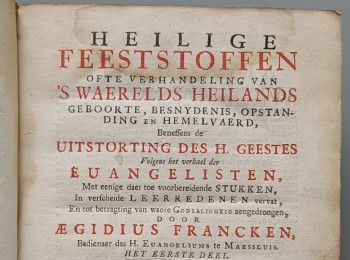
This article analyzes the rare book collection of the P.A. Cherkasov Fundamental Library at Cherkas Global University and considers it as an independent object of library science and source-critical research. The study focuses on the formation, structure, and composition of the rare collection, which includes editions published between 1455 and 1836, i.e., from the beginning of European printing to the first third of the nineteenth century. It is shown that the chronological boundaries of the collection are determined both by the history of print culture and by the requirements of scholarly classification of book collections.
This study examines the personal composition of one of the early Knights Templar organizations in the United States—Winchester Grand Encampment—as of 1821, when its membership consisted of 31 individuals.
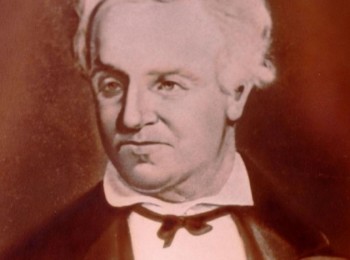
This article examines the missionary activity of Sir Knight Samuel May Williams (1795—1858), the first Knight Templar of Texas. Having been received into the Masonic Order of Knights Templar on December 1, 1835, Samuel M. Williams devoted the remainder of his life to service within the Order. In the conclusion, the author argues that the activity of Samuel M. Williams represents a rare example of the combination of political, civic, and Masonic missions that exerted a long-term influence on the development of Texas.
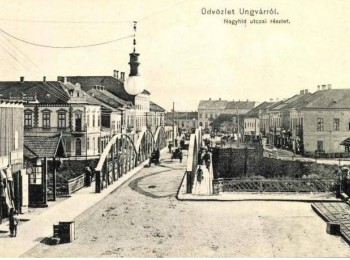
The publication is devoted to the issue of post-war reconstruction of cities and towns in the Transcarpathian region. This scientific work highlights the circumstances, composition, and specific activities of the architectural and construction commission carried out in Transcarpathia in 1949.
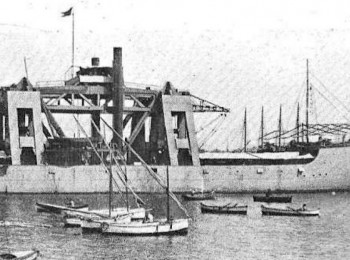
This work represents the first attempt at a monographic description of the rescue vessel “Kanguro” and the patrol vessels “Pegaso” and “Procyón”. Many components and assemblies from the recently decommissioned vessel “Kanguro” were used in their construction, leading to the unofficial nickname “kangaroo joeys”.
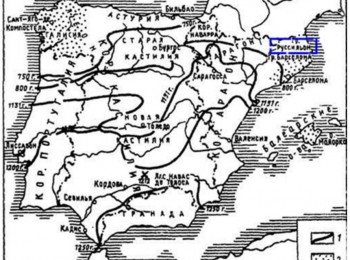
The article examines aspects of slavery and slave trade in the Iberian Peninsula, namely in its northeastern part, in the lands of Roussillon. The chronological period of the studied problematic covers the stage of the Late Middle Ages (14th—15th centuries), when Roussillon was Spanish territory.
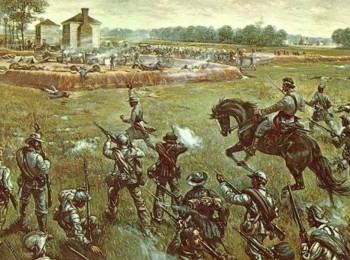
This work represents a biography of Benjamin F. Howard (1835—1908) as a soldier, police officer, and Mason. It reveals little-known aspects of his life. The work leaned on five groups of historical sources — (1) archival documents, (2) museum items, (3) collections of published documents, (4) sources of private origin, and (5) periodical press materials.
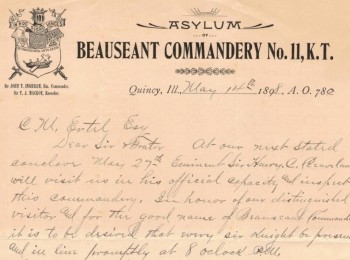
The present study examines the history of Beauseant Commandery No. 11, a Masonic body of the Knights Templar located in Quincy, Illinois. The research is based on the annual Proceedings of the Grand Commandery of Knights Templar of the State of Illinois for the period 1861—1911. In the conclusion, the author emphasizes that Beauseant Commandery No. 11 operated in Quincy for fifty years, from 1861 to 1911.
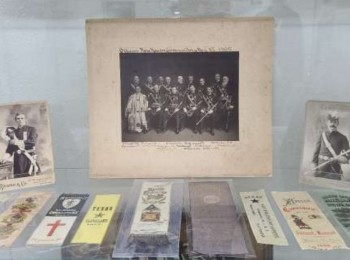
This work examines the emergence and evolution of ribbons in the American Masonic order of Knights Templar in the second half of the 19th century. The study’s source base incorporates a collection of ribbons at Cherkas Global University’s Museum of the History of the American Knights Templar.
Schools in Galicia in 1842—1873
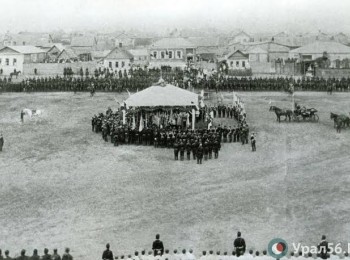
In the first half of the 19th century a specific practice developed in the Orenburg borderland. According to it, foreign slaves (we use this term to designate slaves who weren’t Russian Empire’s subjects) were to be granted freedom as well as a choice whether to return home or convert to Orthodoxy and become Russian subjects. However, in the materials of the Joint State Archive of Orenburg Region we have found several deviations from this practice.
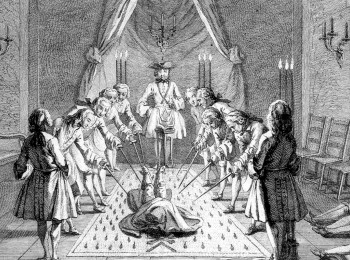
The manuscript is devoted to the study of the structure of Masonic organizations in the Russian Empire in the XVIII century. The material of the work includes memoir sources, published documents (interrogation materials), as well as pre-revolutionary, foreign and modern historiography. The research is based on such methods of historical research as historical-systematic, classification, synthesis and content analysis. In conclusion, the authors note that the structure of Russian Freemasonry of the XVIII century included three types of Masonic lodges: — The «English» system of Masonic lodges.
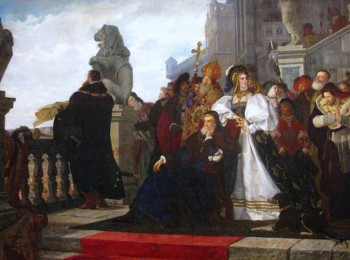
Ottoman-Jagiellonian diplomacy
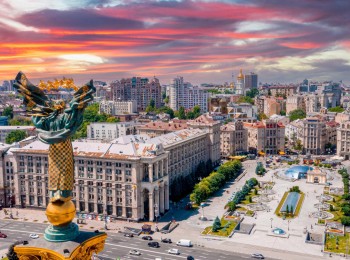
Practices of Using Urban Public Space
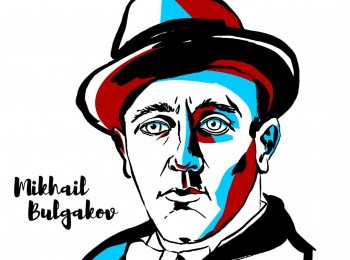
Bulgakov Case
Integration to the European Union in the Field of Archives

Taras Shevchenko in Ukrainian Soviet Film Documentary
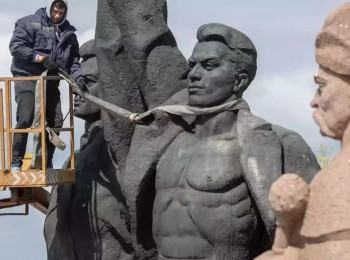
Decommunisation in Ukraine
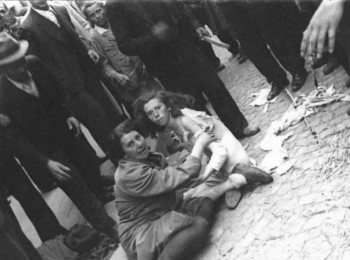
Jewish Pogrom in Berdychiv
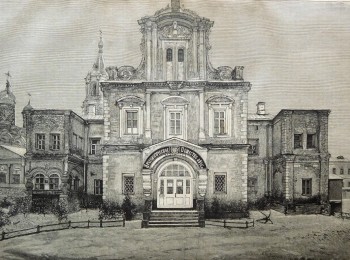
Imperial Moscow Archaeological Society
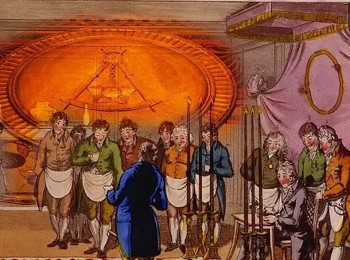
Russian Freemasonry

Maritime Educational Institutions in Kherson Gubernia
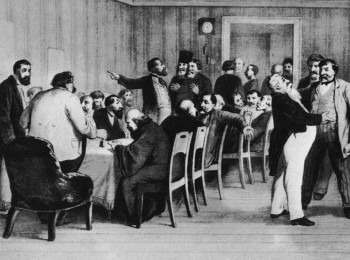
Zemstvo Liberal Opposition in the Chernihiv Governorate
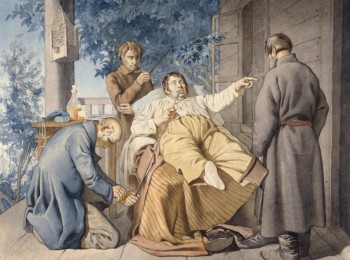
Reform on the Abolition of Serfdom
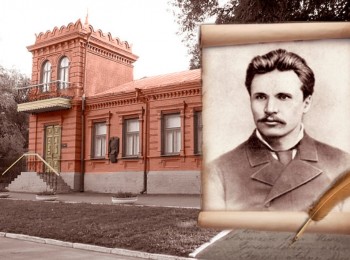
D.I. Yavornitsky as an Archaeologist
Russian aviation industry
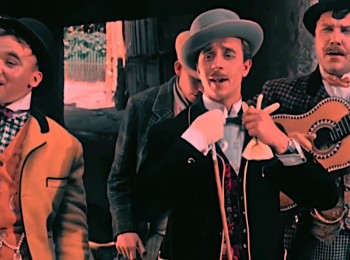
Soviet cinematography in the territory of the USSR
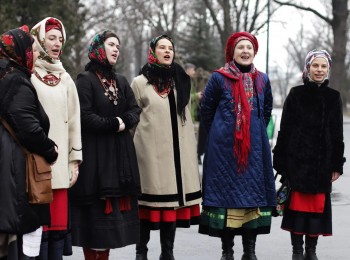
Lyrical Songs of Sloboda Ukraine